
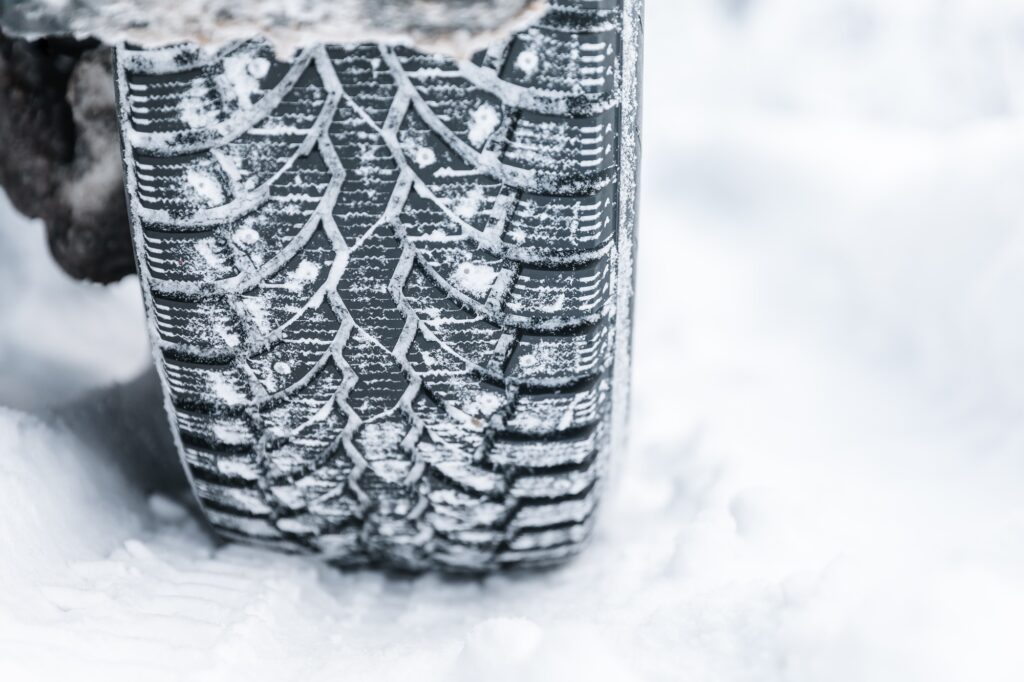
Choosing between winter tyres and all-season tyres is crucial for UK drivers facing unpredictable weather conditions. Here’s a comprehensive guide to help you make an informed decision:
1. Understanding Tyre Types: An Overview
- Winter Tyres: Designed with a softer rubber compound and deeper tread patterns, these tyres remain flexible in temperatures below 7°C, providing enhanced grip on snow and ice.
- All-Season Tyres: Combining features of both summer and winter tyres, all-season tyres offer versatility across various conditions. They perform adequately in mild winters but may not match the specialized performance of winter tyres in severe cold or heavy snowfall.
2. The Importance of Tyre Choice in the UK Climate
The UK’s climate is notably unpredictable, with frequent rain, occasional snow, and fluctuating temperatures. Selecting the appropriate tyre ensures safety and optimal vehicle performance. Winter tyres are ideal for regions experiencing severe cold and regular snowfall, while all-season tyres suffice in areas with milder winters.
3. Key Features and Benefits of Winter Tyres
- Enhanced Traction: The specialized tread design improves grip on snow and ice.
- Improved Braking: Shorter stopping distances in winter conditions enhance safety.
- Optimal Performance: Maintains flexibility and performance in temperatures below 7°C.
4. Key Features and Benefits of All-Season Tyres
- Year-Round Usability: Eliminates the need for seasonal tyre changes.
- Cost-Effective: Saves on costs associated with purchasing and storing separate sets of tyres.Michelin UK+3Michelin UK+3Barum Tyres+3
- Balanced Performance: Offers reasonable performance in both summer and mild winter conditions.
5. Performance Comparison: Winter Tyres vs. All-Season Tyres
- Winter Tyres: Excel in cold, snowy, and icy conditions, providing superior grip and shorter braking distances.
- All-Season Tyres: Offer moderate performance across various conditions but may not provide the same level of safety as winter tyres in severe winter weather.
6. Handling Wet and Icy Conditions: A Closer Look
Winter tyres are specifically designed to handle cold temperatures and provide superior grip on icy and snow-laden roads. Their unique tread patterns feature deeper grooves and more sipes (tiny slits in the tread) that help channel water away and improve traction on slippery surfaces. The rubber compounds used in winter tyres remain flexible even in freezing temperatures, allowing them to maintain better contact with the road. This results in shorter braking distances and enhanced stability, particularly when navigating through slush or icy patches.
7. Tread Patterns and Their Impact on Performance
Winter tyres typically feature deeper treads with larger gaps, known as voids, which are specifically engineered to channel snow and slush away from the tyre’s surface. This unique design not only enhances grip on snow-covered roads but also improves traction on icy surfaces. Additionally, winter tyres are often equipped with sipes—small slits in the tread—that create more biting edges, providing better grip in low temperatures and reducing the risk of hydroplaning in wet conditions.
8. Longevity and Wear: Which Tyre Lasts Longer?
Winter tyres are engineered with softer rubber compounds that remain flexible in low temperatures, providing optimal grip on icy and snowy roads. However, this design comes with a trade-off. While they excel in harsh winter conditions, their softer composition tends to wear down quicker on warmer, drier surfaces. This means that if you use winter tyres during milder months, you might find yourself replacing them sooner than you would expect. Additionally, the aggressive tread patterns that enhance traction in snow can lead to increased wear when exposed to non-winter conditions, potentially shortening their lifespan.
9. Cost Considerations: Initial Investment vs. Long-Term Value
Winter tyres are specifically engineered to perform optimally in cold and wintry conditions. Their unique tread patterns and softer rubber compounds provide enhanced grip on snow and ice, translating to improved safety and performance during harsh winter months. This specialized design often results in better fuel efficiency and reduced wear on your vehicle, which can lead to savings in fuel costs over time. Additionally, the peace of mind that comes with knowing your car can handle unpredictable winter weather is priceless.
10. Legal Requirements for Tyres in the UK
In the UK, the minimum tread depth for car tyres is 1.6mm across the central three-quarters of the tyre, around the entire circumference. This legal requirement is in place to ensure adequate grip, especially in wet conditions, where insufficient tread can greatly increase stopping distances and reduce overall control. However, many safety experts recommend changing tyres when the tread wears down to around 3mm, especially during winter months, when grip is paramount.
11. Real-World Testing: User Experiences and Expert Opinions
Many drivers who have switched to winter tyres report a noticeable improvement in grip and handling during the cold months. Users highlight the enhanced traction on icy roads, which can be a game-changer during sudden snowfalls or frosty mornings. One user recounted their experience of driving through a particularly harsh winter, noting that their winter tyres allowed them to navigate steep hills and sharp turns that would have been treacherous with all-season tyres. The peace of mind that comes with superior control can transform a daunting driving experience into a manageable one.
12. Seasonal Considerations: When to Switch Tyres
In the UK, winter conditions can vary dramatically, with some areas experiencing snow and ice, while others may only see chilly rain and fog. Typically, the best timeframe to switch to winter tyres is when temperatures consistently dip below 7°C. At this point, the rubber compounds in winter tyres provide superior grip and handling, allowing for enhanced traction on cold, wet surfaces.
13. How to Choose the Right Tyres for Your Driving Habits
- Driving Environment: Urban drivers may find all-season tyres sufficient, while rural drivers facing harsher conditions might benefit from winter tyres.