
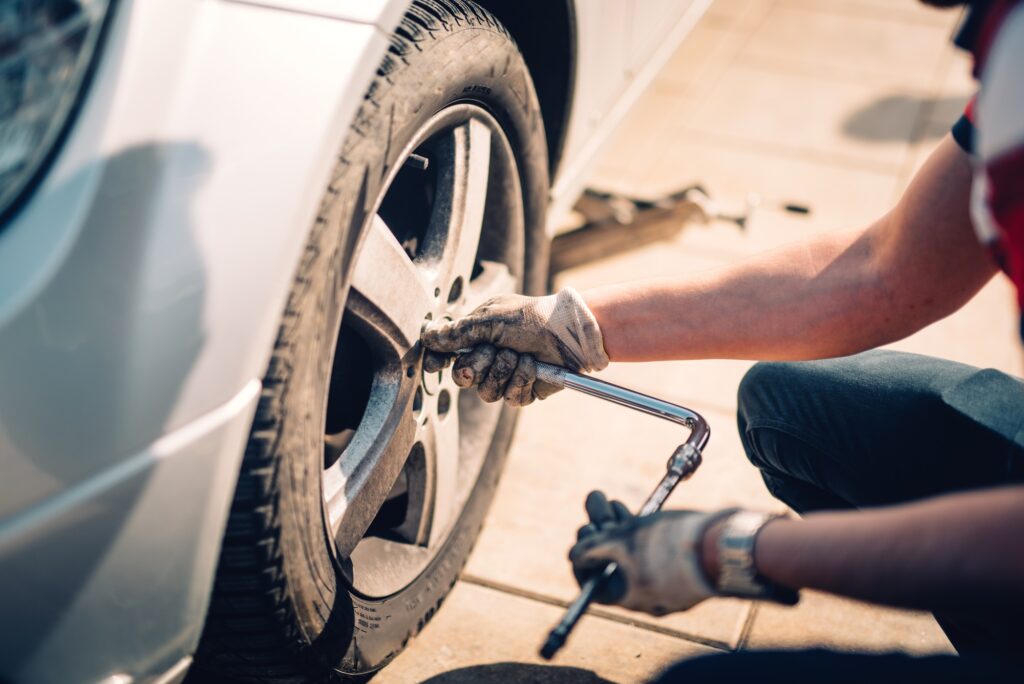
When it comes to ensuring your vehicle’s performance and safety, few components are as critical as your tyres. As the only point of contact between your car and the road, the choice between part-worn and new tyres can significantly impact not only your driving experience but also your budget. With rising costs and a growing emphasis on sustainability, many drivers are weighing the pros and cons of investing in part-worn tyres—those gently used options that can provide considerable savings—against the reliability and peace of mind that come with brand-new tyres. This guide explores key differences, including safety features, longevity, and cost-effectiveness, to help you make an informed decision.
1. Introduction to Tyre Choices: Part-Worn vs New
Every driver faces the dilemma of whether to opt for part-worn tyres or invest in new ones. Part-worn tyres may offer significant savings, yet they come with risks such as unknown wear patterns and reduced lifespan. New tyres, while more expensive upfront, provide guaranteed performance and longevity. This guide will help you navigate this crucial decision.
2. Understanding Tyre Safety Standards
Tyres must meet stringent safety regulations. The legal minimum tread depth in the UK is 1.6mm, though experts recommend replacing tyres at 3mm for optimal safety. Reputable sellers inspect part-worn tyres to ensure they meet these standards, but new tyres offer full tread depth and the latest safety technologies. Understanding these standards helps you make the safest choice.
3. The Benefits of New Tyres
New tyres provide enhanced grip, handling, and braking performance. They come with warranties, advanced rubber compounds for better fuel efficiency, and longer lifespans. Though costlier upfront, their durability and consistent performance can save you money over time. Aesthetic appeal and the assurance of meeting the latest safety standards are additional advantages.
4. The Advantages of Part-Worn Tyres
Part-worn tyres offer substantial cost savings, often up to 50% less than new tyres. They can be an eco-friendly option by extending the lifecycle of existing tyres. When sourced from reputable suppliers, part-worn tyres can meet safety standards and come with warranties. They’re an excellent short-term solution, especially for vehicles with low mileage or older models.
5. How to Assess the Condition of Part-Worn Tyres
To ensure safety, check that the tread depth is at least 3mm. Inspect sidewalls for cuts, bulges, or punctures. Verify the tyre’s age using the DOT code—tyres older than six years may not be reliable. Always purchase from reputable dealers who provide safety documentation and warranties.
6. Cost Comparison: Part-Worn Tyres vs New Tyres
Part-worn tyres are cheaper initially but may require more frequent replacements, reducing long-term savings. New tyres cost more but offer longer lifespan and better performance. Evaluating cost-per-mile can clarify which option is more economical over time, factoring in safety and replacement frequency.
7. Environmental Impact: Recycling and Sustainability
Opting for part-worn tyres supports recycling efforts and reduces waste. Each reused tyre lessens the environmental impact of new tyre production, conserving resources and minimizing landfill contributions. Reputable suppliers also follow sustainable practices, ensuring safety and quality while promoting ecological responsibility.
8. Legal Considerations for Part-Worn Tyres
In the UK, part-worn tyres must meet specific safety standards, including a minimum tread depth of 1.6mm and being free from damage. Proper labelling is legally required. Purchasing from reputable dealers ensures compliance, and always request documentation detailing the tyre’s condition and history.
9. Performance Differences: Grip, Handling, and Longevity
New tyres provide superior grip, handling, and longevity due to advanced materials and designs. Part-worn tyres, while cost-effective, may not offer the same performance, particularly in adverse weather. Assessing how often you drive and the conditions you encounter can help determine which tyre type suits you best.
10. When to Choose Part-Worn Tyres
Part-worn tyres are ideal for low-mileage vehicles, older cars, or temporary solutions. They suit those with budget constraints or for seasonal tyre replacements. However, thorough inspection and purchase from reputable dealers are essential to ensure safety.
11. When to Invest in New Tyres
Invest in new tyres when tread depth is below 3mm, when tyres show signs of ageing, or when you frequently drive in challenging conditions. New tyres offer better performance, safety, and longevity. Recognizing these signs ensures you’re making a sound investment for your vehicle.
12. Expert Tips for Buying Part-Worn Tyres
- Check Tread Depth: Look for tyres with at least 3mm tread depth.
- Inspect for Damage: Avoid tyres with visible cuts, bulges, or punctures.
- Verify Age: Ensure tyres are not older than six years.
- Confirm Certifications: Buy from reputable dealers who can verify safety checks.
- Understand the Warranty: Ask about available warranties for peace of mind.
13. Maintaining Your Tyres for Optimal Safety
- Check Tyre Pressure: Maintain recommended levels monthly.
- Monitor Tread Depth: Replace tyres when tread wears thin.
- Inspect for Damage: Regularly check for visible signs of damage.
- Rotate and Align: Promote even wear and enhance performance.
- Balance Tyres: Reduce vibration and improve ride comfort.
14. Conclusion: Making the Right Choice for Your Safety and Budget
Choosing between part-worn and new tyres depends on your driving habits, budget, and safety priorities. New tyres offer longevity and the latest safety features, while part-worn tyres provide budget-friendly, eco-conscious solutions when chosen wisely. Regardless of your choice, regular maintenance ensures your tyres remain roadworthy, maximizing safety and performance.
15. Frequently Asked Questions about Tyre Choices
- Are part-worn tyres safe? Yes, when sourced from reputable dealers and inspected for safety.
- How long do part-worn tyres last? It depends on previous usage but typically less than new tyres.
- Can I mix part-worn and new tyres? Not recommended, as it can lead to uneven performance.
- Are new tyres worth the extra cost? Yes, for improved safety, performance, and longevity.
- How often should I replace my tyres? When tread depth falls below 3mm or they show signs of damage.
By understanding the differences and considerations of each tyre type, you can make an informed, budget-conscious choice while ensuring your safety on the road.