
Your tyres do a lot of heavy lifting, quietly keeping you safe while you go about your journeys. But like everything else on your car, tyres don’t last forever. If they wear out and you don’t catch it in time, it could lead to some pretty dangerous situations. Knowing how to spot the signs of worn-out tyres is essential for staying safe on the road. From noticing tread wear to changes in how your car feels, understanding these signs can mean the difference between a smooth journey and a risky one. So, let’s break down how you can check your tyres and avoid trouble before it starts.
- Why Tyre Safety Really Matters
It’s easy to overlook tyre maintenance. After all, they’re just round bits of rubber, right? But they’re actually the only thing connecting your car to the road. Worn tyres can mess up your handling, make braking distances longer, and lead to unstable driving. And the scary part is that many drivers don’t realise there’s an issue until it’s too late.
Poor tyres can cause problems like skidding in the rain, blowouts on the motorway, or struggling to brake on uneven roads. The good news? A quick tyre check can prevent all of that. And it’s not just about safety – good tyres also improve fuel efficiency, saving you money at the pump.
In this guide, we’ll show you how to spot the warning signs of tyre wear so you can fix problems early and avoid nasty surprises.
- What Causes Tyre Wear?
Tyres go through a lot, and several things can speed up their wear and tear:
- Bad Alignment: If your wheels aren’t lined up properly, one side of the tyre will wear faster than the other. This can happen if you hit a pothole or a curb.
- Wrong Tyre Pressure: Too much air, and your tyres wear down in the middle. Too little, and they wear on the edges. Keeping tyre pressure at the right level keeps them healthy.
- Driving Habits: If you’re heavy on the brakes, accelerate hard, or take sharp corners, your tyres will wear out quicker. Smoother driving = longer-lasting tyres.
- Road Conditions and Weather: Driving on rough roads or in harsh weather can wear tyres down faster. Even hot weather can weaken the rubber over time.
Knowing what causes tyre wear helps you stay on top of maintenance and avoid replacing them too soon.
- Spotting Worn-Out Tyres: What to Look For
Here’s how to tell if your tyres are past their prime:
- Tread Depth: Your tyre’s tread helps grip the road, especially in wet conditions. Use the 20p test: slot a 20p coin into the tread. If the outer band is visible, it’s time to replace them.
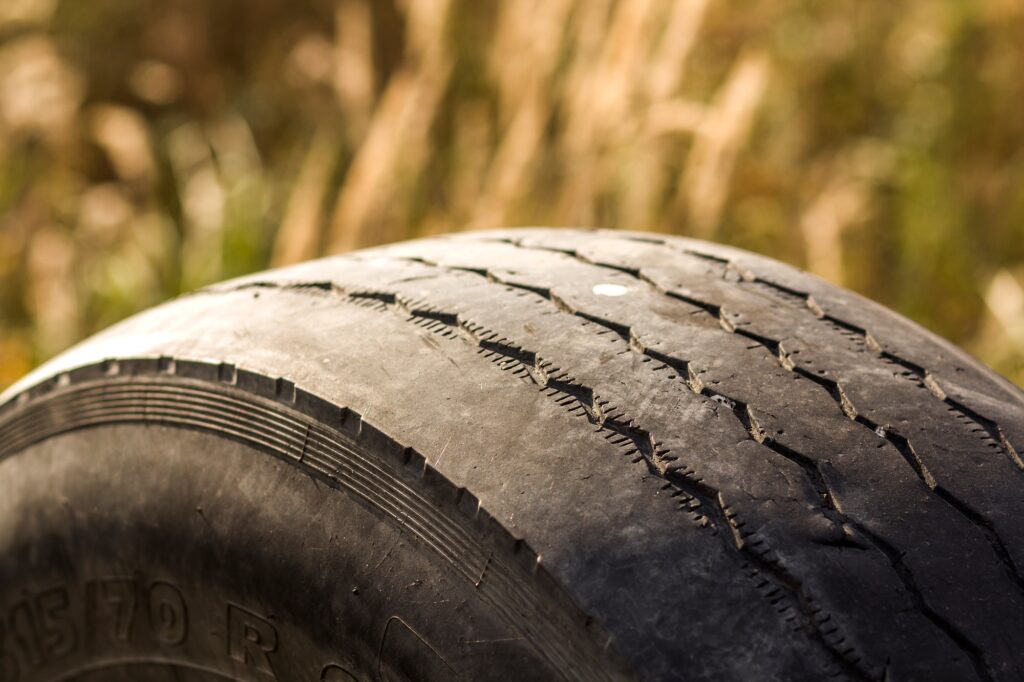
- Uneven Wear: If one side of a tyre looks more worn than the other, it could be an alignment issue. Bald patches or more wear on the edges mean it’s time to get them checked.
- Cracks and Bulges: Look out for small cracks, cuts, or bulges on the sidewall. These can weaken the tyre and cause blowouts.
- Noise and Vibration: If you hear odd noises or feel vibrations while driving, it could mean your tyres are damaged or worn.
- Tyre Age: Even if tyres look okay, they might be too old. Most should be replaced every six years, regardless of wear. Check the sidewall for the manufacturing date.
- The 20p Test: Quick and Simple Tread Check
The 20p test is a super simple way to check if your tyres still have enough tread. Just grab a 20p coin and pop it into the tread grooves. If you can see the coin’s outer rim, your tread is too low and it’s time for new tyres. If the coin disappears into the tread, you’re good for now.
This test only takes a few seconds but can save you from driving on unsafe tyres.
- Visual Inspections: Cracks, Bulges, and Blisters
Take a minute every now and then to look over your tyres. Check for:
- Cracks: These can appear from age or exposure to sunlight. Even small ones can be a sign the tyre’s breaking down.
- Bulges: A bulge means the tyre’s structure is weak, often after hitting a pothole. Get it checked immediately.
- Blisters: Small bumps on the sidewall suggest internal damage, which can lead to a blowout.
If you spot anything odd, it’s better to replace the tyre than risk it failing when you’re driving.
- Listen for Unusual Noises
Strange noises coming from your tyres can be a warning sign. Here’s what to listen for:
- Humming or Droning: This could be uneven tread wear or an alignment problem.
- Thumping: Could mean a flat spot or even a bubble in the tyre.
- Squealing: Might indicate that your tyres are struggling for grip, possibly due to low pressure.
Don’t ignore strange sounds—get them checked out to stay safe.
- How Weather Affects Tyres
Hot weather can cause tyre rubber to weaken, leading to cracks. Cold weather can make them hard and brittle. And in wet conditions, tyres with low tread are more likely to skid.
To keep your tyres in good shape, store your car in a garage if you can, check them regularly, and replace them if they show signs of weather damage.
- The Importance of Tyre Pressure
Wrong tyre pressure is one of the biggest causes of tyre wear. It can also affect how your car handles and even your fuel consumption. Use a tyre gauge to check pressure every month. If it’s too low or too high, adjust it to match the manufacturer’s recommendations (usually found inside the driver’s door).
- When to Seek Professional Help
If you’re unsure about the condition of your tyres, or you notice unusual noises, cracks, or vibrations, it’s worth getting a professional opinion. A tyre technician can spot issues you might miss and tell you if a tyre needs replacing.
- When to Replace Tyres
Replace your tyres if:
- The tread is worn down to 1.6mm or less.
- There are visible cracks, bulges, or damage.
- They’re over six years old, even if they look fine.
- You notice unusual vibrations, noise, or poor handling.
- Picking the Right Replacement Tyres
When replacing tyres, choose ones that suit your driving needs. If you drive a lot in wet or icy conditions, go for tyres designed for better grip in those conditions. If you mostly drive around town, all-season tyres might be fine.
Always check your car manual to make sure the tyre size and type match what’s recommended for your vehicle.
- Final Thoughts: Stay Safe, Stay Proactive
Keeping an eye on your tyres doesn’t take much effort, but it can make a huge difference in your safety. Regularly check tread depth, look for cracks and bulges, and keep your tyre pressure in check. If in doubt, ask a professional to take a look.
Remember, your tyres are the only thing between you and the road. Taking care of them means taking care of your safety.
Stay safe and happy driving!